

The Client
Oftentimes, companies think that getting more leads will solve a growth problem. And for a while, it can feel true. More campaigns, more inquiries, more signals moving through the system. And that’s success. Right? For this client, a health insurance provider offering several specialized types of coverage, that assumption stayed quietly in the background until the effects started to show. Most of their revenue flows through broker partnerships that have been built and maintained over many years and reinforced through conferences, renewals, and trust. They already knew their entire target market, and "net new leads" weren't going to lead to the growth they were looking for.
With more than two hundred employees and several lines of business contributing to revenue, the organization had no shortage of data. What was missing was not effort or market statistics, but a clear understanding of which kinds of institutions represented the strongest fit for their student health insurance product. With their total addressable market already known, they needed to narrow their outreach efforts down to the cream of the crop - the accounts that were most likely to become valuable customers. But which accounts were those? That knowledge gap was costing both their sales and marketing teams time, whether they knew it or not, and causing them to miss out on some of the best opportunities.
The Challenge
Their pipeline looked active, and the team got a stream of inquiries, backed up by reports showing strong engagement. However, upon closer investigation, it became obvious this info wasn’t actually pointing them in the right direction. There was no shared definition of what a great fit was, and no agreed-upon system for identifying them.
Without a formal ideal customer profile, the way that the team prioritized leads relied largely on each person’s individual judgment. Often under tight pressure, the sales team relied on their own gut to decide where time was best spent. Marketing wasn’t doing much better, as they evaluated performance using metrics that didn’t tell the full story. Their reports rarely answered the question of whether that activity pointed in the right direction.
Both teams understood their market well. They knew which schools were most likely to convert and which relationships mattered the most. What they were missing was a way to translate that understanding into a system, so decisions could be made consistently and at scale. And they knew they needed help.
The Solution
ClearPivot kicked off the work by grounding the conversation in evidence rather than instinct. Before any scoring logic was discussed, they reviewed the client’s Salesforce data and historical outcomes to identify patterns across accounts that had converted successfully and those that hadn’t. School size, institution type, location, and prior performance were measured together to understand which characteristics spelled out a higher probability of a closed deal.
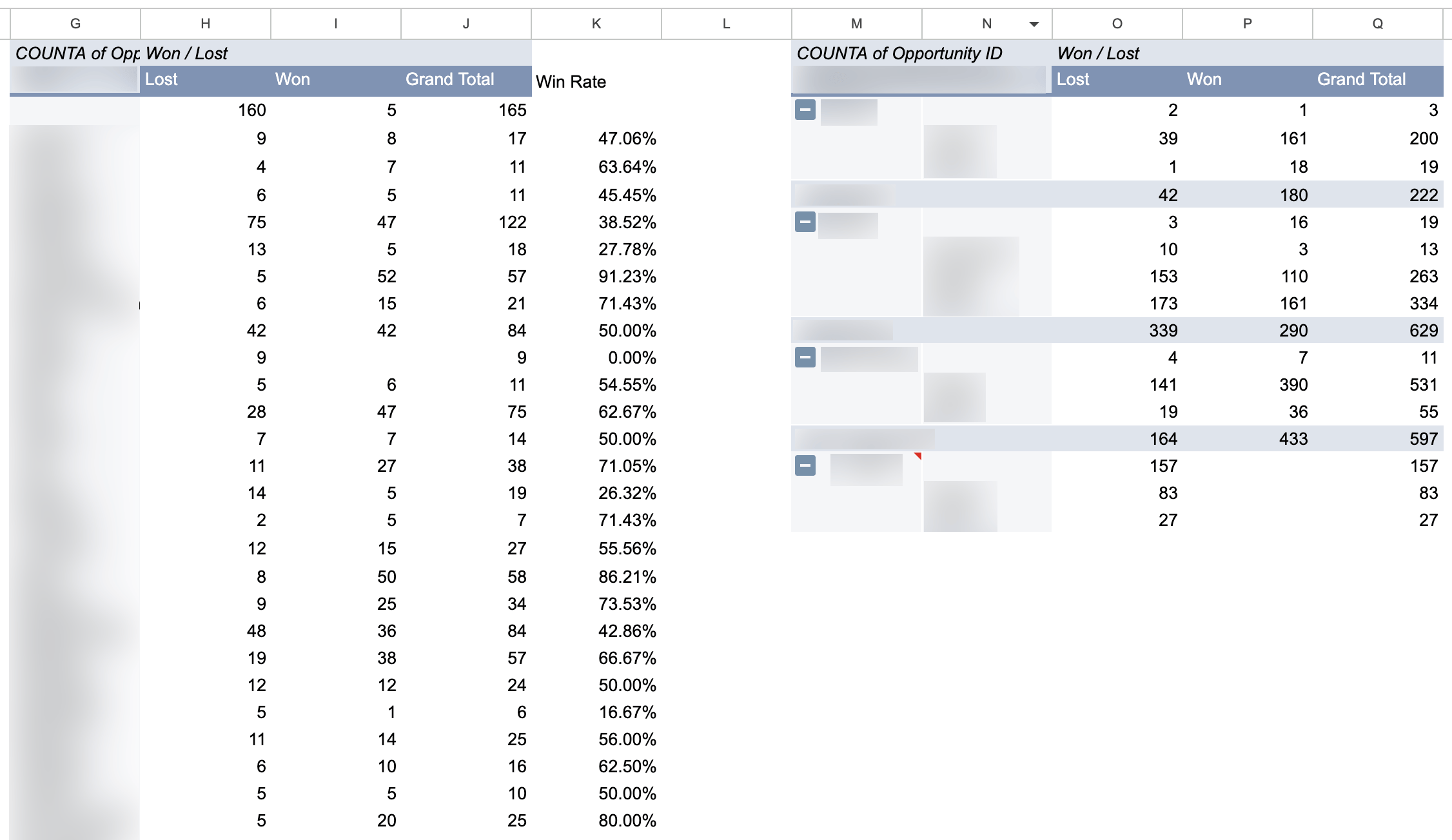
After this analysis, ClearPivot helped the client create an ideal customer profile (ICP) rooted in real data from their systems. Their team built the profile directly into HubSpot as a fit scoring framework to measure institutions in the system. Schools that didn't meet the ICP thresholds were automatically excluded, which gave the sales team more time to work with better-fit accounts. For example, community colleges and institutions outside target regions were filtered out early, long before they could influence prioritization or reporting. Accounts that matched the ideal customer profile were prioritized, making it easier for both marketing and sales to identify where their efforts were best invested.
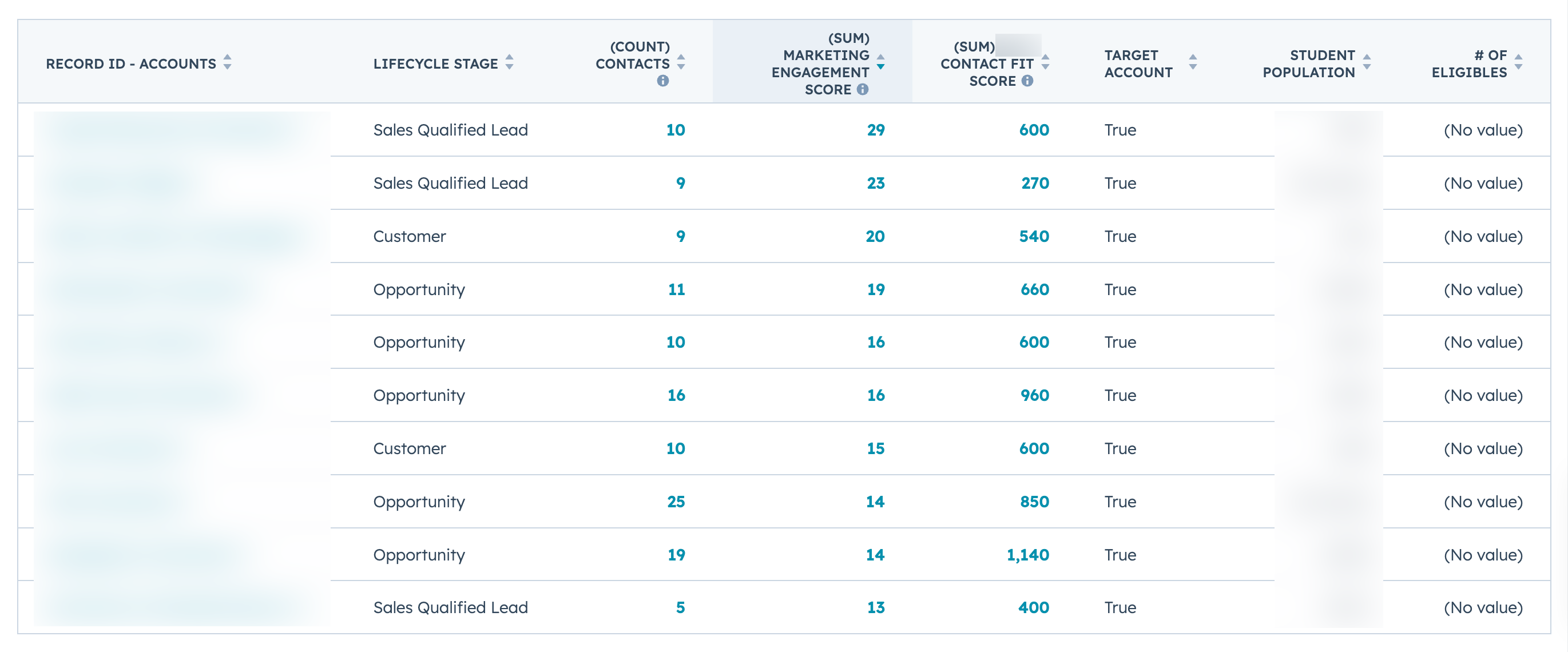
When the ICP was finished, ClearPivot took to documenting the logic behind the scoring model. Each rule, threshold, and exclusion was visible and understandable, so the team felt prepared to make edits as the markets changed. These safeguards around transparency prevented the model from becoming obsolete or too opaque for the team to feel comfortable managing.
The Results
The first signs of the impact of this ideal customer profile project appeared in how work was distributed. Accounts that had formerly looked similar became easier to tell apart, allowing sales to concentrate on institutions that aligned most with the company's product. Marketing also got a clearer way to evaluate their campaigns, helping them move away from raw response counts as a metric for relevance.
As the scoring framework took hold, the teams felt noticeably more aligned. The conversations taking place before marketing and sales became more focused and were not rooted in shared definitions. They felt comfortable making better, faster decisions now that they had a system that everybody understood.
The teams were happy, and their reporting began to tell a different story as well. Their activity metrics gained context because they were tied to fit, making it easier to understand whether engagement was showing a genuinely good opportunity. They had the clarity that helped them let go of second-guessing and even showed leadership their progress.
Most importantly, the organization finally had a stable foundation for growth. The ideal customer profile framework transformed the team’s knowledge into a guide, allowing them to scale without relying on constant manual judgment and training. As the student health insurance business continues to change, it now does so with a framework that reinforces alignment rather than working against it.
